
We live in a day and age where the most common form of storytelling we consume is TV. From grand epics that play out over multiple films, to endless episodes of reality TV, there is a story buried in all of it.
And it’s understandable that TV would consume us like it does. With access to sound, visuals, and CGI, it’s a very powerful art form.
However as writers, we have to be careful. Yes, TV story and book story feel similar, but buried beneath the fantastic wigs and chiseled abs is a different reality. Visual and written stories are told differently, and if authors aren’t careful, the shiny world of TV can undo the makings of a great novel.
So here are the three most common ways I see writers work diluted by the world of film. I share them in hopes they can help with the stories you dream of telling. Though I add a big disclaimer:
Once you see them, it will be hard to unsee them.
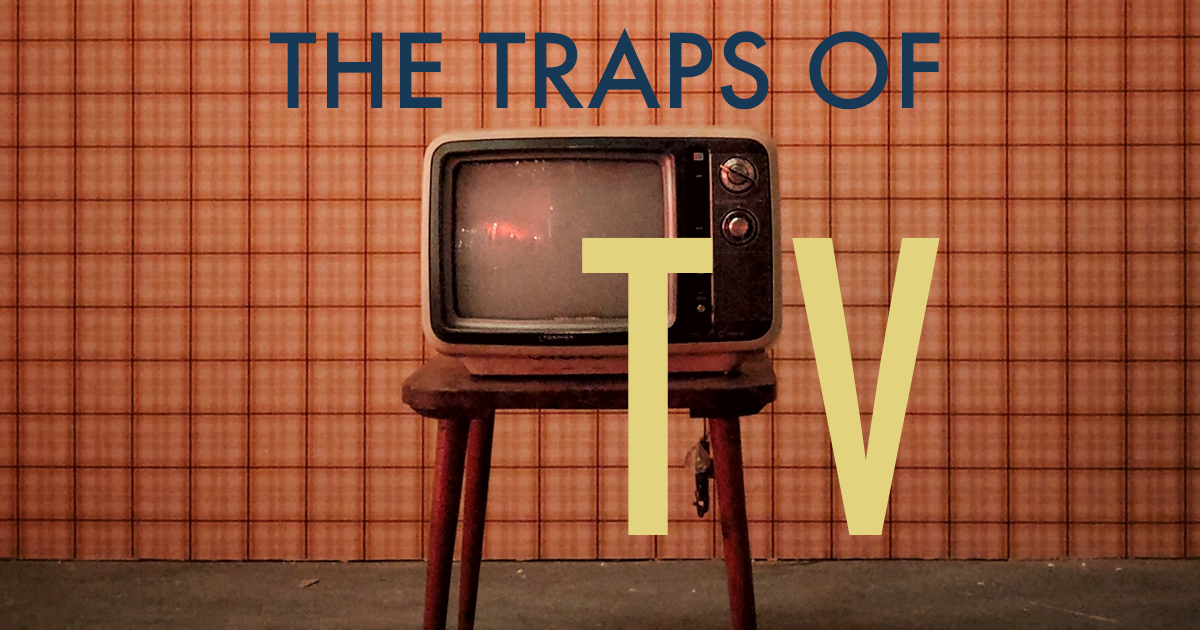
1. The Montage
We know them and love them. We’re talking about those two minutes of condensed energy on screen where a character grows and changes, usually paired with an epic soundtrack. If we’re lucky, those montages even come with a love interest! Then we get to watch two characters prance all over town and slowly fall in love. Ahh . . . queue my heart melting.
In books though? Much less melting.
For a story to sing on the page, readers need time to connect with your characters. The montage is the anthesis of that. It’s barely a toe dipped in the water of what a scene can be. And without music and lighting to hold up those fragments? Forget about it!
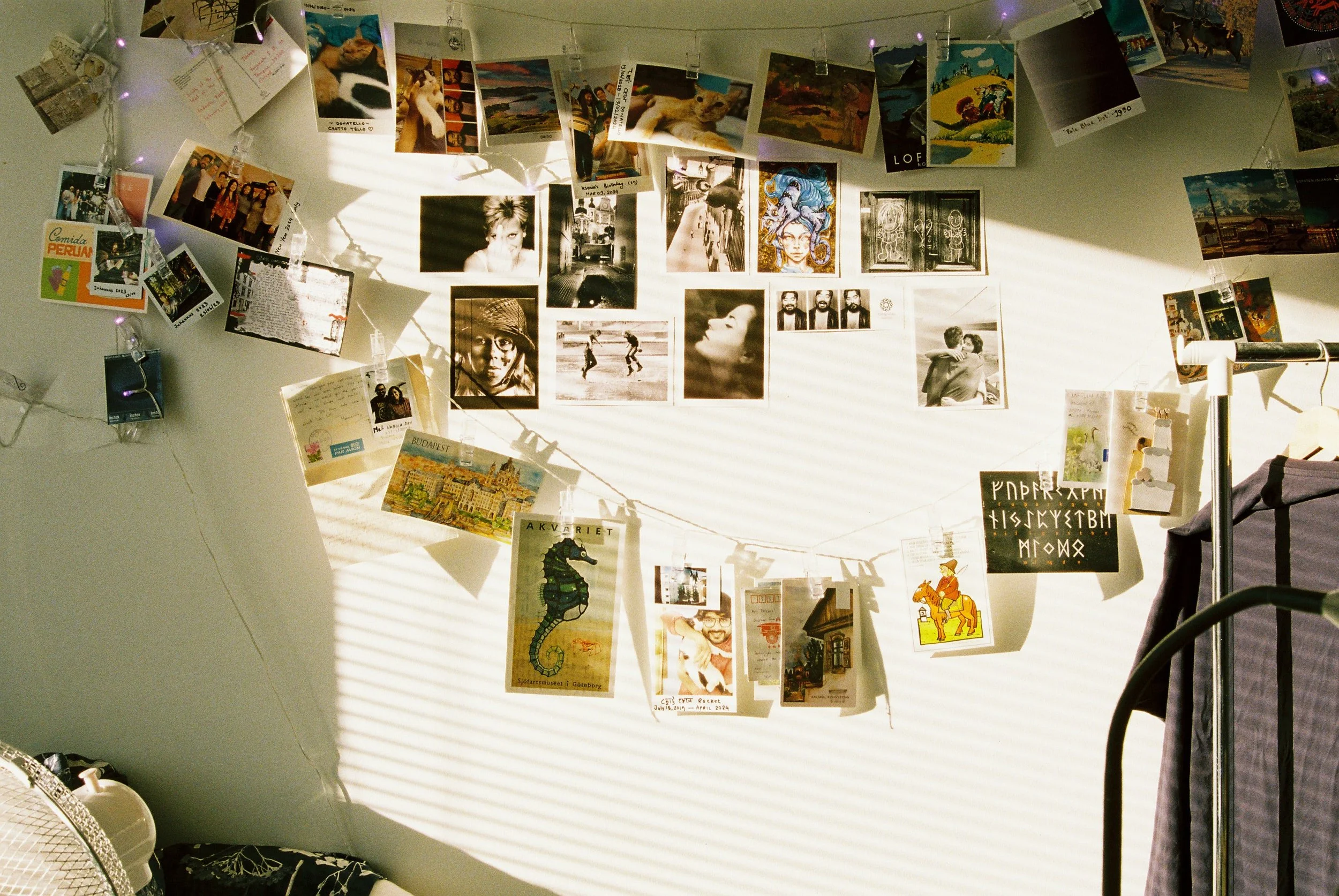
So cute together, but what are we saying here?
The good news is this is where books set themselves apart from film. They don’t need twenty micro moments with a character to make you feel something. Books can do that with much less.
As readers, we are begging to feel the depth of your characters. If you can write a handful of scenes, where I feel their experience like my own? Where I can empathize with what they are living through, and root for them to find more? Well, you have a reader for life, my friend.
So don’t fall into the trap of scratching the surface of a dozen small scenes. Do less, go deeper.
Tip: How do you find montages in your draft? Look over your work scene by scene. Do you have some that are short on words, or chapters with a handful of locations but not much plot? It might be time to do some excavating.
2. Repeat Locations
Oh the repeat location. You know, the diner where two detectives drink their garbage black coffee, or the B-roll shot of a San Francisco vista we see for the 18th time. Repeat locations exist in TV to create continuity and comfort. But this is a slippery slope when it comes to writing.
If you put your characters in the same location, having the same conversations again and again, your pacing comes to a halt.
Familiarity is different in books. The sensation of “I’ve been here before” will read more like a bad case of déjà vu if you aren’t careful. Readers will no longer be on the edge of their seat, because the story feels predictable.
Now if you’re out there stressing because your story is set around one key location, don’t fret. It is possible to have repeat locations in your story. It just has to be done with intention. Here are some things to ask yourself:
Are your characters having conversations with different subjects and energy?
Can you make it a different time of day, where the details of the space change?
Can you put your characters in a different spot in the location? For example, in a restaurant, could they be in a walk in cooler or behind the bar?
Leveraging little details will help repeat locations feel like different places to your reader, and keep your story feeling fresh. Don’t be afraid to switch things up.
3. Becoming a Director
I often meet writers who talk about how drafting feels like watching a movie in their head. Heck, if you’re lucky enough, readers will say the same about your work. But how you get there is a bit counterintuitive.
You see, film directors need every detail to come to life on screen. Directors have to know what picture is on the wall, if the lampshade is off-kilter, and whether or not the couch looks like it’s from 1970 or 1980.
Details matter.
But the thing with writing is, if you give readers every detail in a setting like you’re a film director, your story ends up sounding more like a laundry list than an immersive place. We’ve all read books like this:
The wooden chair sat between the door and a candelabra. In the middle was a table covered in a red velvet tablecloth, and overhead a chandelier hung with a bulb burned out. The table was set for fine-dining, with three forks and four cups, but no one was there to eat. Beneath it, black and white marble tiles checkered the floor, like they had been there since the house was built in 1756.
Great details . . . but do they make you feel anything?
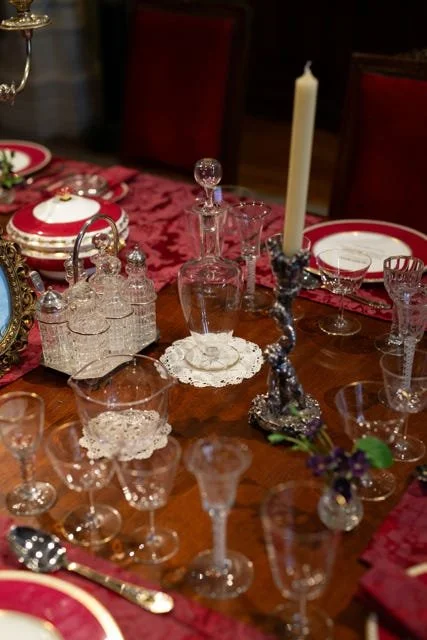
The key to writing settings that feels as vivid as those on TV, is to pick out a few key details that evoke emotion, then let the reader’s imagination do the rest. Trust me, readers are dying to take those seeds you plant, and transform them into their own perfect version of a space. Less is more my friend, less is more.
Tip: A few key details is all it takes. Focus on the energy you are trying to create, and don’t get stuck in the visual world of film. How does a place smell, sound, and feel? This is a great way to stretch your creative muscles.
TV is a great avenue for some amazing storytelling. I will happily spend Saturday mornings curled with Ivy rewatching the Sandlot, or let Glen Powell, Bill Paxton and their twisters keep me company while I cook.
But when it comes to books, I want an immersive story, with characters I want to meet, and a setting I literally dream of being in. (ahem hello Hogwarts and Velaris). Don’t let your work fall into the traps of film.
Write something that can live rent free in my head for years.

